Standard Poodle Health Risks — What Every Owner Should Know
Standard Poodles are a large, athletic breed known for their intelligence and versatility in sport, service, and companion roles. Like all purebred dogs, Standard Poodles carry a distinct set of inherited health risks. Research and registry data confirm predisposition to gastric dilatation-volvulus, idiopathic epilepsy, progressive retinal atrophy, and obesity-related complications. Standard Poodle health problems, Standard Poodle common diseases from cited studies, and planning across Standard Poodle lifespan are covered below. All health data on this page is drawn from peer-reviewed veterinary research and reviewed by a licensed veterinarian.
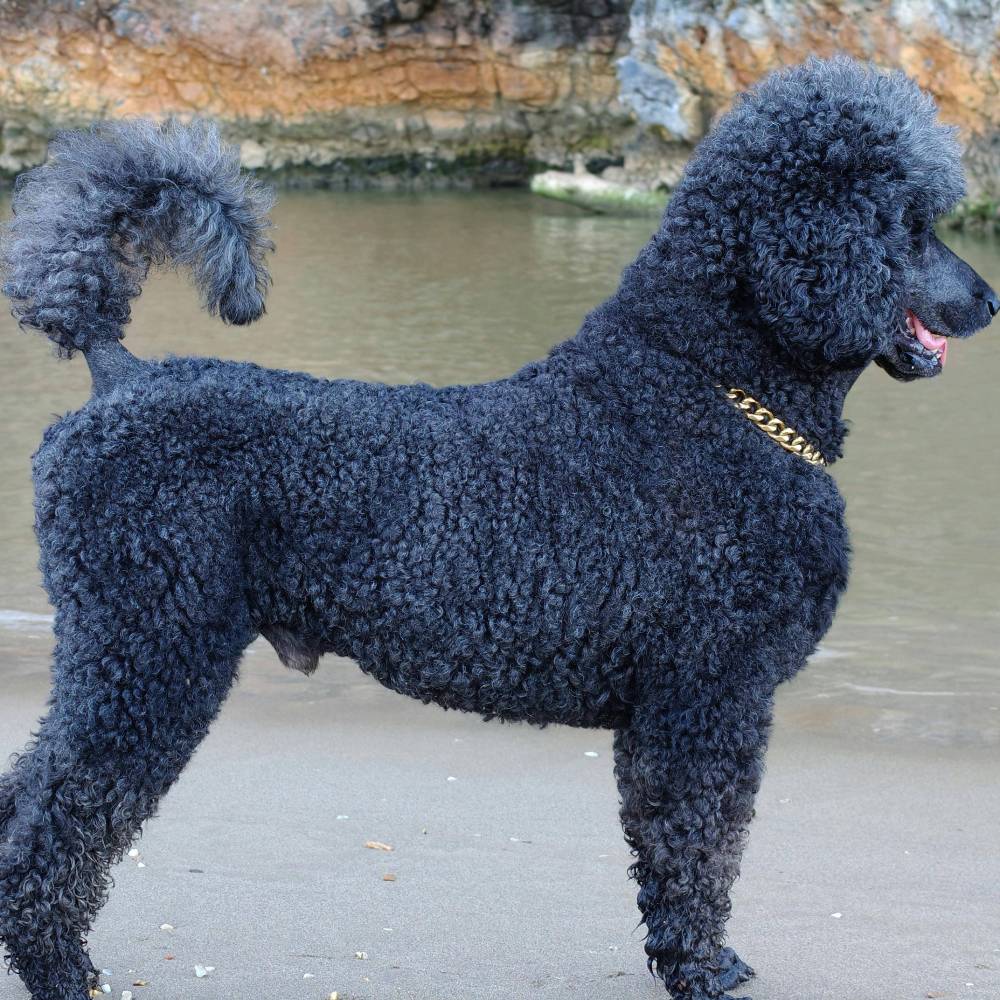
Most Common Health Conditions in Standard Poodles
Gastric Dilatation-Volvulus (GDV / Bloat)
The stomach can fill with gas and sometimes twist on itself, which is a true emergency. It happens suddenly; the sooner a hospital can stabilize and operate if needed, the better the chance of a good outcome; if you even suspect it, go now. (Predisposition confirmed — prevalence data being reviewed)
Idiopathic Epilepsy
Seizures are episodes of abnormal electrical activity in the brain. When no other cause is found after testing, it is often called idiopathic epilepsy; many dogs live full lives with medication and a seizure plan you write down with your vet. (Familial focal seizures confirmed in this breed)
Progressive Retinal Atrophy (PRA)
The light-sensing layer at the back of the eye slowly thins, so night vision and then daytime vision fade over time. It is not painful, and dogs often adapt amazingly well at home with a consistent layout and your patience. (Predisposition confirmed — PRCD and rcd4 mutations identified)
Obesity-related Complications
Extra weight quietly strains joints, the heart, and metabolism. The good news is that even a gentle, vet-guided weight-loss plan can dramatically improve energy, breathing, and comfort; small steps really do add up. (Predisposition not confirmed — monitor with age)
Health Risks by Age for Standard Poodles
Based on confirmed prevalence data from peer-reviewed sources and veterinary registries.
| Age Range | Conditions to Watch | Why This Age Matters | Vet Action Recommended |
|---|---|---|---|
| 0–2 years | Progressive retinal atrophy (monitoring begins — onset typically from 3 years) | PRA onset begins from around three years; baseline eye exam before symptoms appear is valuable | A veterinary ophthalmologist can examine the retina; genetic testing for PRCD and rcd4 mutations is available |
| 2–6 years | Idiopathic epilepsy, Obesity-related complications | Epilepsy most commonly presents between one and five years; weight gain can begin as activity patterns change | After the first seizure, your vet may run blood work and start anti-seizure medication; body condition scoring at every visit |
| 6–10 years | Gastric dilatation-volvulus (GDV), Progressive retinal atrophy (ongoing) | GDV risk peaks in large deep-chested breeds in this window; PRA continues to progress | Emergency vets use X-rays or ultrasound and often surgery for GDV; discuss preventive gastropexy with your vet; regular eye exams for PRA |
| 10+ years | GDV (continuing risk), Progressive retinal atrophy (advanced), Obesity-related complications | Cumulative effects of GDV risk, advancing vision loss, and weight management needs in the senior years | Senior wellness bloodwork every 6 months; pain management discussion; vision support strategies at home |
Symptoms to Watch For
Contact your veterinarian if you notice any of the following in your Standard Poodle.
- A tight, swollen belly that looks bigger than usual — may indicate gastric dilatation-volvulus; seek emergency care.
- Retching or trying to vomit without bringing anything up — may indicate gastric dilatation-volvulus; seek emergency care.
- Drooling, pacing, or obvious restlessness and pain — may indicate gastric dilatation-volvulus.
- Pale gums, weakness, or collapse — may indicate gastric dilatation-volvulus.
- Stretching or standing with the front legs and head low — may indicate gastric dilatation-volvulus.
- Sudden collapsing, stiffening, paddling, or loss of consciousness — may indicate idiopathic epilepsy.
- Drooling, chomping, or losing bladder or bowel control during an episode — may indicate idiopathic epilepsy.
- Confusion, pacing, or apparent blindness for minutes to hours after a seizure — may indicate idiopathic epilepsy.
- Clusters of seizures in one day or any seizure lasting more than five minutes — seek emergency care; may indicate idiopathic epilepsy.
- Bumping into furniture in dim light or hesitating on stairs at night — may indicate progressive retinal atrophy.
- Shiny eye reflection that looks more pronounced in photos (advanced cases) — may indicate progressive retinal atrophy.
- Reluctance to go into dark rooms or new places — may indicate progressive retinal atrophy.
- Clumsiness that slowly worsens over months to years — may indicate progressive retinal atrophy.
- No visible waist when viewed from above — may indicate obesity-related complications.
- Fat pads over the ribs that are hard to feel with light pressure — may indicate obesity-related complications.
Research Sources
All health data on this page is drawn from peer-reviewed veterinary research and official registry data. Sources are listed below.
- Glickman et al. 2000. Deep-chested breed. 12% lifetime clinically reasonable.
- Licht et al. 2007, J Am Vet Med Assoc — familial focal seizures in Standard Poodles. Berendt et al. 2015 IVETF confirms genetic basis.
- ACVO Blue Book 2024. Two PRA mutations confirmed: PRCD (prcd gene) and IRD-PCARE/rcd4 (C2orf71 gene). DNA tests available.
- No breed-specific Standard Poodle obesity prevalence confirmed in reviewed sources.
Read our full guide: Epilepsy in Dogs: Breeds, Signs, and What Vets Look For
Frequently Asked Questions
What is GDV (bloat) and is the Standard Poodle at risk?
The stomach can fill with gas and sometimes twist on itself, which is a true emergency. It happens suddenly; the sooner a hospital can stabilize and operate if needed, the better the chance of a good outcome; if you even suspect it, go now. Predisposition confirmed — prevalence data being reviewed. Discuss your dog's individual risk with your veterinarian.
What are the signs of bloat in a Standard Poodle?
Signs to watch for include a tight, swollen belly that looks bigger than usual, retching or trying to vomit without bringing anything up, drooling, pacing, or obvious restlessness and pain, pale gums, weakness, or collapse, and stretching or standing with the front legs and head low. Discuss your dog's individual risk with your veterinarian.
Does the Standard Poodle get epilepsy?
Seizures are episodes of abnormal electrical activity in the brain. When no other cause is found after testing, it is often called idiopathic epilepsy; many dogs live full lives with medication and a seizure plan you write down with your vet. Familial focal seizures confirmed in this breed. Discuss your dog's individual risk with your veterinarian.
Get a personalised health forecast for your Standard Poodle based on their age, sex, and lifestyle.
Run the Free Health Forecast