Shiba Inu Health Problems: What Every Owner Should Know
Shiba Inu health problems deserve attention from the first weeks at home because this ancient Japanese spitz combines a long lifespan with several well-documented inherited risks affecting the eyes and joints. ACVO registry data places hereditary cataracts among the most significant ocular concerns, with roughly seven percent of examined Shiba Inus affected in recent screening years. Orthopedic Foundation for Animals data records a seven percent hip dysplasia rate and a nine percent elbow dysplasia rate across thousands of evaluations, while patellar luxation affects around five percent of tested dogs. None of these conditions affect every individual, yet they outline the organ systems deserving consistent monitoring from puppyhood through senior years. Shiba Inu common diseases referenced in the bibliography below, and planning across Shiba Inu lifespan, inform this DVM-reviewed BreedRisk overview.
Most Common Health Conditions in Shiba Inus
Hereditary Cataracts
Hereditary cataracts cause progressive clouding of the lens inside the eye, leading to blurred vision and, in severe cases, blindness. ACVO Blue Book registry data from 1,284 Shiba Inu examinations between 2020 and 2024 reports a 6.9% prevalence, with the most common type affecting the anterior cortex of the lens. Early signs include small opaque spots in one or both eyes, often first noticed between one and ten years of age. Regular eye checks with your vet support early detection and surgical planning when appropriate.
Hip Dysplasia
Hip dysplasia occurs when the hip joint develops abnormally, causing the ball and socket to fit loosely and leading to cartilage wear, pain, and arthritis over time. OFA hip screening of 5,313 Shiba Inus reports a 7% abnormal rate, with a Swedish study of 373 dogs finding an even higher prevalence of 13.9%. Signs typically emerge in young dogs and include stiffness after rest, reluctance to run or climb stairs, and a swaying or bunny-hopping gait. OFA certification radiographs are recommended at 24 months of age.
Patellar Luxation
Patellar luxation occurs when the kneecap slips out of its groove, producing intermittent skipping steps, hind-limb lameness, or reluctance to jump and climb stairs. OFA patellar screening of 4,370 Shiba Inus reports a 5% abnormal rate, with the breed ranking forty-third among all evaluated breeds. Clinical concern most often concentrates between one and four years of age when activity peaks and grading guides management decisions.
Elbow Dysplasia
Elbow dysplasia is a developmental condition where the three bones forming the elbow joint do not fit together correctly, causing cartilage damage and progressive arthritis. OFA registry data shows a 9% abnormal rate in Shiba Inus, with onset most often between one and three years of age. It is one of the most common causes of front leg lameness in young, growing dogs. Early diagnosis via X-ray or CT scanning allows for better management before significant arthritis develops.
Health Risks by Age for Shiba Inus
Based on ACVO registry data, OFA screening, and peer-reviewed studies cited on this page.
| Age Range | Conditions to Watch | Why This Age Matters | Vet Action Recommended |
|---|---|---|---|
| 0–1 years | Hereditary cataracts; hip dysplasia (developmental); patellar luxation; elbow dysplasia | Rapid growth and joint formation; lens opacities may appear from the first year | Wellness orthopaedic examination; eye check if cloudiness noted; maintain healthy weight during growth |
| 1–4 years | Hereditary cataracts; hip dysplasia; patellar luxation; elbow dysplasia | OFA data cluster hip and patella concern in early adulthood; elbow dysplasia peaks before age three | OFA hip radiographs at 24 months; patella grading; elbow evaluation for front leg lameness |
| 4–10 years | Hereditary cataracts (progression) | ACVO examinations span onset through middle age; vision changes may accelerate without monitoring | ACVO ophthalmology referral if cloudiness worsens; discuss surgical options when appropriate |
| 10+ years | Secondary arthritis from joint dysplasia; cataract-related vision loss | Cumulative joint wear and lens opacity affect mobility and quality of life in senior years | Pain management for arthritis; senior wellness bloodwork; quality-of-life assessment |
Symptoms to Watch For
Contact your veterinarian promptly if you notice any of the following signs in your Shiba Inu.
- Cloudy or bluish tint to one or both eyes, bumping into objects in low light, or visible white or grey opacity in the pupil that may indicate hereditary cataracts.
- Stiffness or soreness after rest or exercise, reluctance to run, jump, or climb stairs, or a swaying or bunny-hopping gait that may indicate hip dysplasia.
- Muscle loss around the hindquarters or difficulty rising from lying down that may also reflect hip dysplasia.
- Intermittent skipping or hopping on a hind leg, sudden lameness that resolves, or reluctance to jump that may indicate patellar luxation.
- Front leg lameness especially after exercise, stiffness in one or both front legs after rest, or swelling around the elbow that may indicate elbow dysplasia.
Shiba Inu Breed Profile
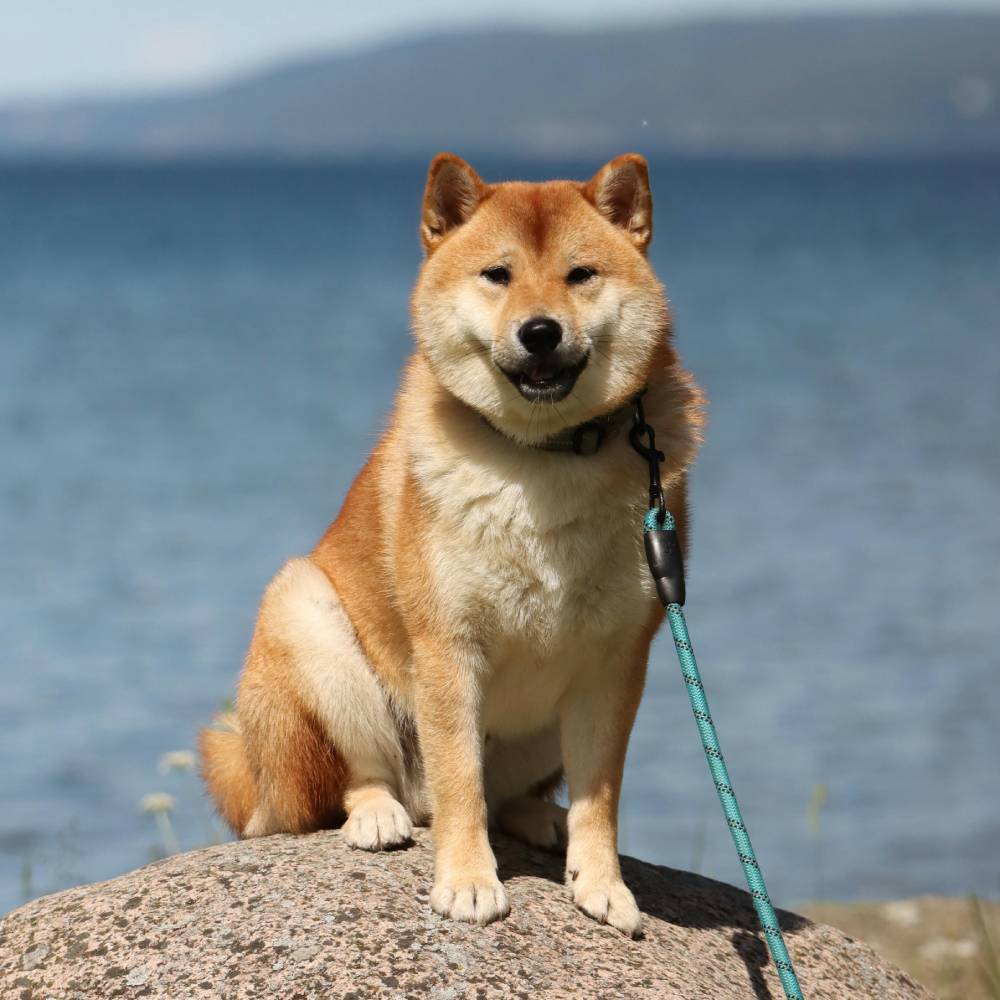
- Breed group: Non-Sporting
- Life span: 13 – 16 years
- Weight: 7 – 11 kg (15 – 24 lbs)
- Height: 33 – 41 cm (13 – 16 in)
- Temperament: Alert, Active, Attentive, Independent, Loyal
- Bred for: Hunting small game
- Origin: Japan
Research Sources
All health data on this page is drawn from peer-reviewed veterinary studies and official registry references.
- ACVO & OFA. Ocular Disorders Presumed to be Inherited in Purebred Dogs (ACVO Blue Book). 2024. https://ofa.org/wp-content/uploads/2025/08/ACVO-Blue-Book-2024.pdf
- Orthopedic Foundation for Animals (OFA). Hip Dysplasia Statistics. https://www.ofa.org/diseases/hip-dysplasia/
- Orthopedic Foundation for Animals (OFA). Patellar Luxation Statistics. https://www.ofa.org/diseases/patellar-luxation/
- Orthopedic Foundation for Animals (OFA). Elbow Dysplasia Statistics. https://www.ofa.org/diseases/elbow-dysplasia/
- Engdahl et al. (2026). Prevalence of hip and elbow dysplasia in young adult dogs in Sweden. Veterinary Record. https://doi.org/10.1002/vetr.70224
Frequently Asked Questions
What are the most common health problems in Shiba Inus?
Shiba Inus are most commonly predisposed to hereditary cataracts, hip dysplasia, patellar luxation, and elbow dysplasia. ACVO registry data shows a cataract prevalence of 6.9% in recent examinations, while OFA data records a 7% hip dysplasia rate and a 9% elbow dysplasia rate across thousands of evaluations. Patellar luxation affects around 5% of Shiba Inus tested. Discuss your dog's individual risk with your veterinarian.
Do Shiba Inus get cataracts?
Yes — hereditary cataracts are the most significant eye condition in Shiba Inus. ACVO registry data from 1,284 examinations between 2020 and 2024 shows a prevalence of 6.9%, with the most common type affecting the anterior cortex of the lens. Early signs include small cloudy spots in one or both eyes. Regular eye checks are important for early detection. Discuss your dog's individual risk with your veterinarian.
Are Shiba Inus prone to hip dysplasia?
Yes — OFA data from 5,313 evaluations records a 7% abnormal rate for hip dysplasia in Shiba Inus. A Swedish study of the breed found an even higher prevalence of 13.9% based on 373 dogs. Hip dysplasia is a developmental condition where the hip joint forms abnormally, leading to cartilage wear and arthritis over time. OFA certification is recommended at 24 months. Discuss your dog's individual risk with your veterinarian.
What is elbow dysplasia in Shiba Inus?
Elbow dysplasia is a developmental condition where the bones forming the elbow joint do not fit together correctly, causing cartilage damage and progressive arthritis. OFA registry data shows a 9% abnormal rate in Shiba Inus. It typically affects young growing dogs and is one of the most common causes of front leg lameness. Early diagnosis via X-ray or CT scanning allows for better management. Discuss your dog's individual risk with your veterinarian.
How long do Shiba Inus live?
Shiba Inus are one of the longer-lived breeds, typically reaching 13 to 16 years. Their relatively low rates of serious systemic disease contribute to this longevity. Managing predisposed conditions such as cataracts and joint dysplasia through regular vet checks and early intervention supports a better quality of life throughout their lifespan. Discuss your dog's individual risk with your veterinarian.
Get a personalised health forecast for your Shiba Inu based on age, sex, and lifestyle.
Run the Free Health Forecast